
Read the bag, know the farm
Tanzania
130 coffees · 98 roasters · 3 processing methods
Photo by MARIOLA GROBELSKA on Unsplash
Tanzania gets unfairly compared to its northern neighbour. The cups are different. The growing regions split between the north — Kilimanjaro and Meru — and the south around Mbeya, with altitudes from 1,200 to 2,000 metres on farms ranging from tiny smallholders to larger estates.
Tanzanian specialty tends brighter and wilder than the standard Kenyan template — think tropical fruit, blackberry, lemon, sometimes a wine-like quality that can take a good roast or flatten with a bad one. Bourbon, Kent, and N39 are the varieties to know. Peaberry — small round single-bean lots — shows up often and commands its own premium.
Look for Mbeya lots in particular. The southern highlands have been producing some of the most interesting Tanzanian specialty coffees of the past few years.
Tanzania wordt onterecht vergeleken met zijn noorderbuur. De koppen verschillen. De teeltgebieden splitsen tussen het noorden — Kilimanjaro en Meru — en het zuiden rond Mbeya, met hoogtes van 1.200 tot 2.000 meter op boerderijen variërend van piepkleine smallholders tot grotere landgoederen.
Tanzaniaanse specialty neigt helderder en wilder dan het standaard Keniaanse sjabloon — denk tropisch fruit, braam, citroen, soms een wijnachtige kwaliteit die een goede roast aankan of bij een slechte vervlakt. Bourbon, Kent en N39 zijn de variëteiten om te kennen. Peaberry — kleine ronde enkele-boon-lots — duikt vaak op en commandeert zijn eigen premium.
Let vooral op Mbeya-lots. De zuidelijke hooglanden hebben de afgelopen jaren enkele van de interessantste Tanzaniaanse specialty-koffies geleverd.
Tansania wird zu Unrecht mit seinem nördlichen Nachbarn verglichen. Die Tassen sind anders. Die Anbauregionen teilen sich zwischen dem Norden — Kilimandscharo und Meru — und dem Süden rund um Mbeya auf, mit Höhen von 1.200 bis 2.000 Metern auf Farmen, die von winzigen Smallholdern bis zu größeren Estates reichen.
Tansanischer Specialty neigt heller und wilder als die übliche kenianische Schablone — tropische Früchte, Brombeere, Zitrone, manchmal eine weinartige Qualität, die einen guten Röst verträgt oder bei einem schlechten flach wird. Bourbon, Kent und N39 sind die Sorten, die man kennen sollte. Peaberry — kleine, runde Single-Bohnen-Lots — taucht häufig auf und verlangt seinen eigenen Aufschlag.
Halt besonders nach Mbeya-Lots Ausschau. Das südliche Hochland hat in den letzten Jahren einige der interessantesten tansanischen Specialty-Kaffees hervorgebracht.
At a glance
- Coffees
- 130
- Roasters
- 98
- Processes
- 3
What to try first
Coffees from Tanzania worth the bag
Sorted by what Tamp drinkers reach for most. Click through for tasting notes and who's roasting them.

Amani - Tanzania
85 AED- honey
- blackberry

Amara - Tanzania
85 AED- brown sugar
- stone fruit

Eclipse - Tanzania
75 AED- orange
- caramel
- dark chocolate

Wanza - Tanzania
37.5 EUR- vanilla
![Tanazania Acacia Hills - Pacamara [アカシアヒルズ - パカマラ]](https://cdn.shopify.com/s/files/1/0914/5961/7066/files/IMG_0688.webp?v=1788151336)
Tanazania Acacia Hills - Pacamara [アカシアヒルズ - パカマラ]
1750 JPY- pear
- tropical fruit
- tangerine
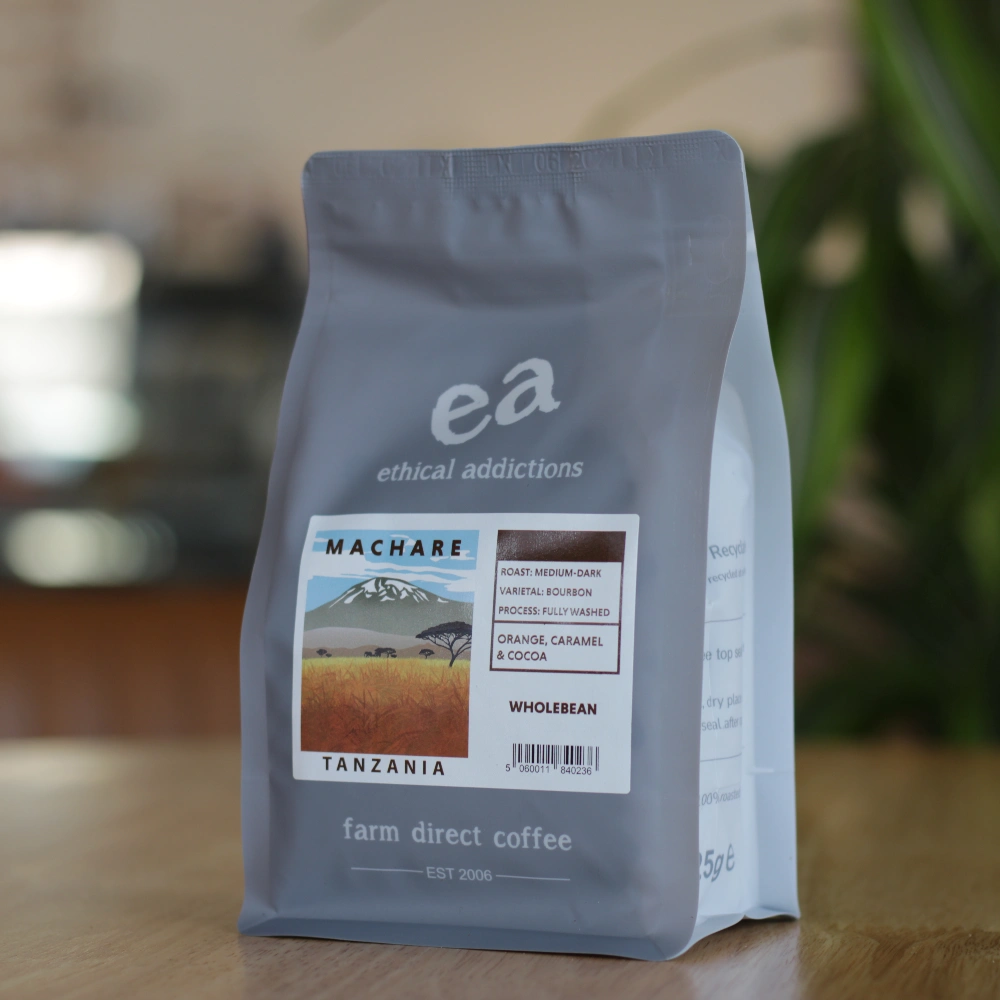
Machare Kilimanjaro
8.7 GBP- chocolate
- caramel
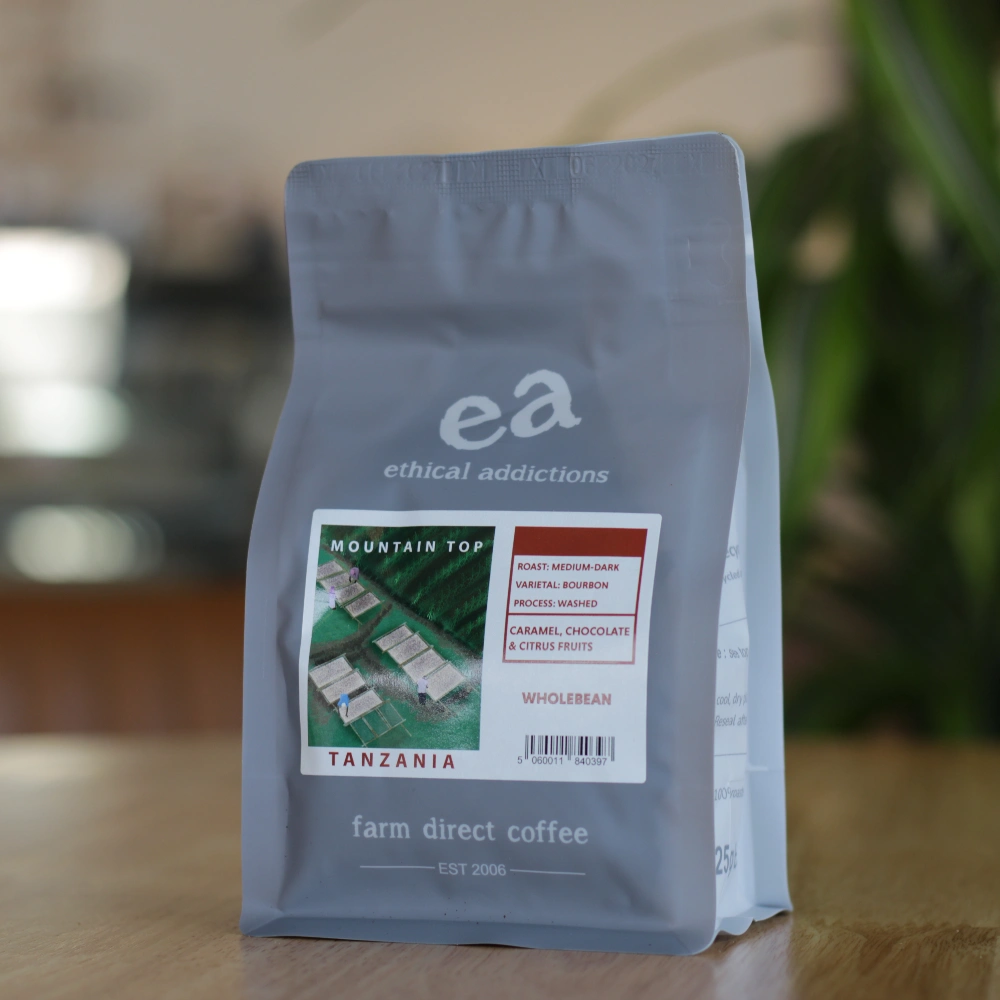
Mountain Top Mweka
8.4 GBP- cocoa
- caramel
- citrus
- chocolate

(BEANS OF THE MONTH) Tanzania South AA Washed
21 NZD- caramel
- chocolate
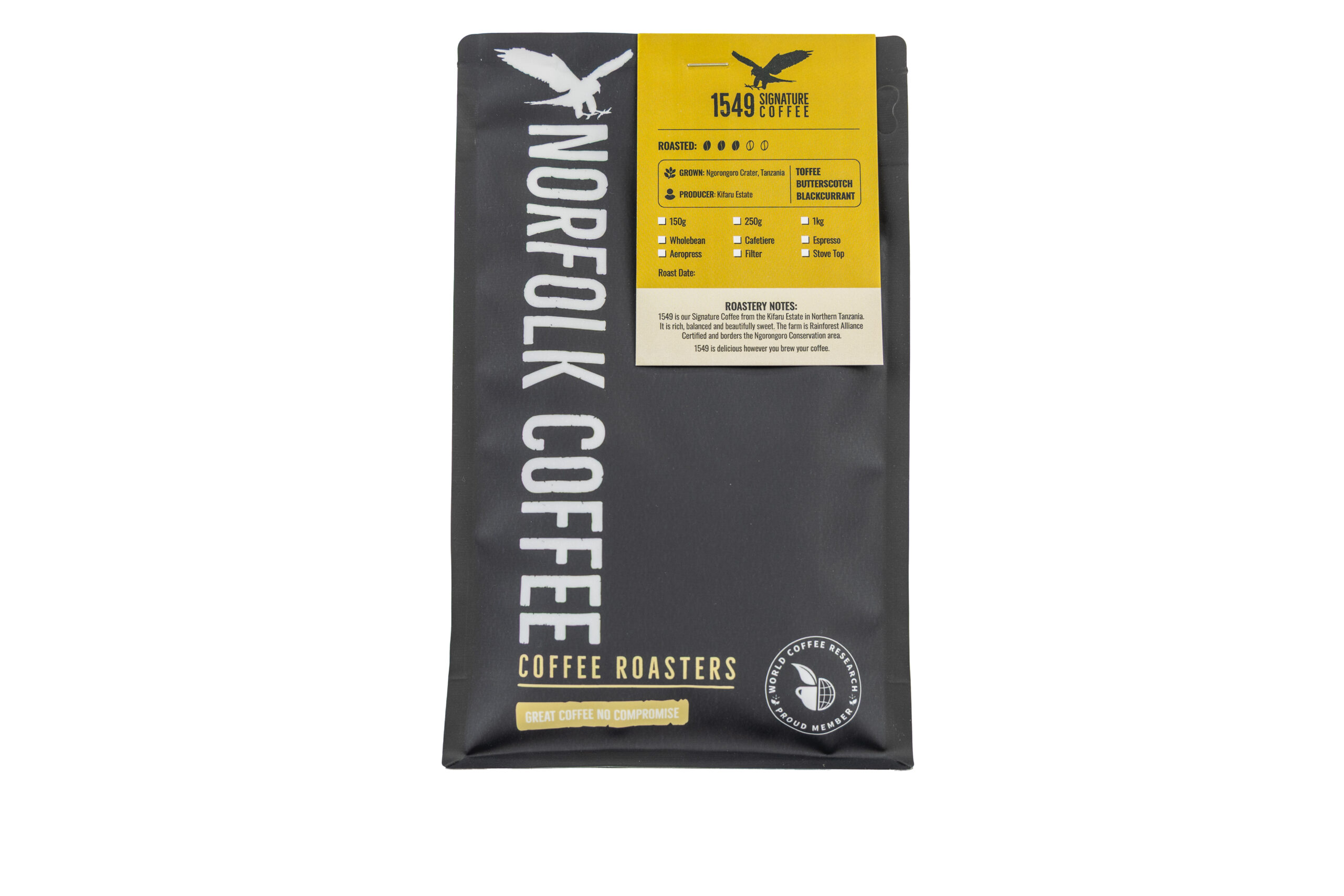
1549 Signature Coffee
7 GBP- toffee
- butterscotch

1kg - Tanzania Strength 5 Award Winning Organic Beans
29.5 GBP- cocoa
- molasses
- black pepper
Who to follow
Roasters known for Tanzania
- Five Senses Coffee 11 coffees
- Assembly Coffee 4 coffees
- Cypher Urban Roastery 3 coffees
- Source Climate Coffee 3 coffees
- Yahava KoffeeWorks 3 coffees
By processing method
How the cherry was dried
Processing changes everything — the acidity, the body, the finish. Split the catalogue by how each coffee got to the bag.
- Tanzania honey 5 coffees
- Tanzania natural 17 coffees
- Tanzania washed 69 coffees