
From the source
Mexico
446 coffees · 276 roasters · 4 processing methods
Photo by Dylan Freedom on Unsplash
Mexico has been producing coffee for centuries and specialty coffee for about two decades. The growing regions cluster in the south — Chiapas, Oaxaca, Veracruz — where smallholder farmers cultivate under shade trees, often organically, often on cooperatives that predate the specialty movement.
The classic Mexican cup is gentle: chocolate, nuts, brown sugar, a soft stone-fruit acidity. Less punchy than an Ethiopian, rounder than a Central American. What’s changed recently is the ceiling — the top producers are pushing into naturals, anaerobic ferments, and lots that compete with anything coming out of Guatemala or Colombia.
Good Mexican coffee used to be hard to find outside North America. Not anymore.
Mexico produceert al eeuwenlang koffie en specialty coffee al ongeveer twee decennia. De teeltgebieden clusteren in het zuiden — Chiapas, Oaxaca, Veracruz — waar smallholder-boeren onder schaduwbomen telen, vaak biologisch, vaak op coöperaties die ouder zijn dan de specialty-beweging.
De klassieke Mexicaanse kop is mild: chocolade, noten, bruine suiker, een zachte steenfruit-zuren. Minder fel dan een Ethiopiër, voller dan een Midden-Amerikaan. Wat recent is veranderd is het plafond — de topproducenten duwen door naar naturals, anaerobe fermentaties en lots die concurreren met alles wat uit Guatemala of Colombia komt.
Goede Mexicaanse koffie was vroeger lastig te vinden buiten Noord-Amerika. Niet meer.
Mexiko produziert seit Jahrhunderten Kaffee und seit etwa zwei Jahrzehnten Specialty Coffee. Die Anbauregionen ballen sich im Süden — Chiapas, Oaxaca, Veracruz — wo Smallholder-Bauern unter Schattenbäumen anbauen, oft biologisch, oft in Genossenschaften, die älter sind als die Specialty-Bewegung.
Die klassische mexikanische Tasse ist sanft: Schokolade, Nüsse, brauner Zucker, eine weiche Steinobst-Säure. Weniger spitz als ein Äthiopier, runder als ein Mittelamerikaner. Was sich kürzlich geändert hat, ist die Decke — die Top-Produzenten drängen in Naturals, anaerobe Fermentationen und Lots, die mit allem aus Guatemala oder Kolumbien konkurrieren.
Guten mexikanischen Kaffee zu finden war außerhalb Nordamerikas früher schwer. Nicht mehr.
At a glance
- Coffees
- 446
- Roasters
- 276
- Processes
- 4
What to try first
Coffees from Mexico worth the bag
Sorted by what Tamp drinkers reach for most. Click through for tasting notes and who's roasting them.

Dulce Vida - Mexico
70 AED- plum
- chocolate
- caramel

Finca Huehuetepan - Rank 10 - Mexico
160 AED- cherry
- dark chocolate
- vanilla

Kalamantina - Mexico
75 AED- orange
- chocolate
- blackberry

Rogelio Santiz, Mexico Washed Pink Bourbon
33 CAD
CHOCOLATE WAFER - ESPRESSO
24 CAD- chocolate
- butterscotch
- apple
- lemon

Mexico Finca Consolapan
14 EUR- almond
- milk chocolate
- stone fruit

Mexico Oaxaca Yogondoy Gesha
9 USD- jasmine

Carlos Cadena
23 CAD- chocolate
- dark chocolate
- apple

Carlos Cadena Espresso
23 CAD- chocolate
- apple
- cookie
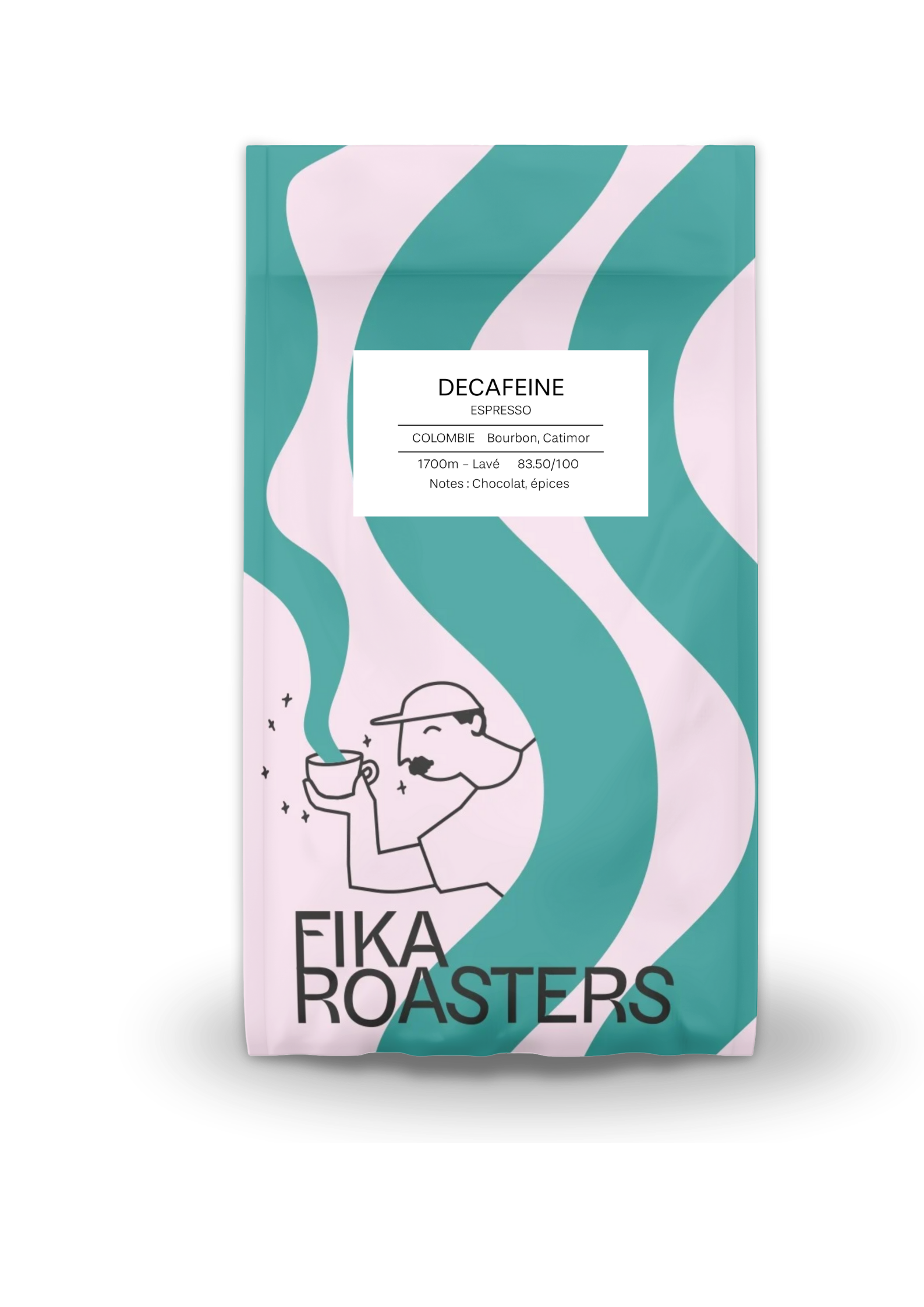
CHABELA DÉCAFÉINÉ
12 EUR- caramel
- chocolate
Who to follow
Roasters known for Mexico
- Trade Coffee 14 coffees
- Almanegra Café 11 coffees
- Blend Station 11 coffees
- Blendin Coffee Club 6 coffees
- Gramo Café 5 coffees
By processing method
How the cherry was dried
Processing changes everything — the acidity, the body, the finish. Split the catalogue by how each coffee got to the bag.
- Mexico honey 14 coffees
- Mexico natural 41 coffees
- Mexico other 22 coffees
- Mexico washed 202 coffees